10 Chores For Your Children To Do
/Chores are an important part of a child’s learning experience. They promote responsibility and independence. It is vital that kids learn how to take care of themselves and others while they are still young.
Starting the learning process early means that as the years go by there is a solid foundation on which parents can build. It is also good for parents to get a break once in awhile from doing all the work.
The less kids help out, the more work parents have to do, and eventually the more parents might begin to resent the helplessness of their children.
Whether kids get an allowance for their chores is up to the parent. Some families expect that kids must contribute to the maintenance of the household for no financial reward, while others view chores-time as “job” to teach kids about earning, spending and saving money.
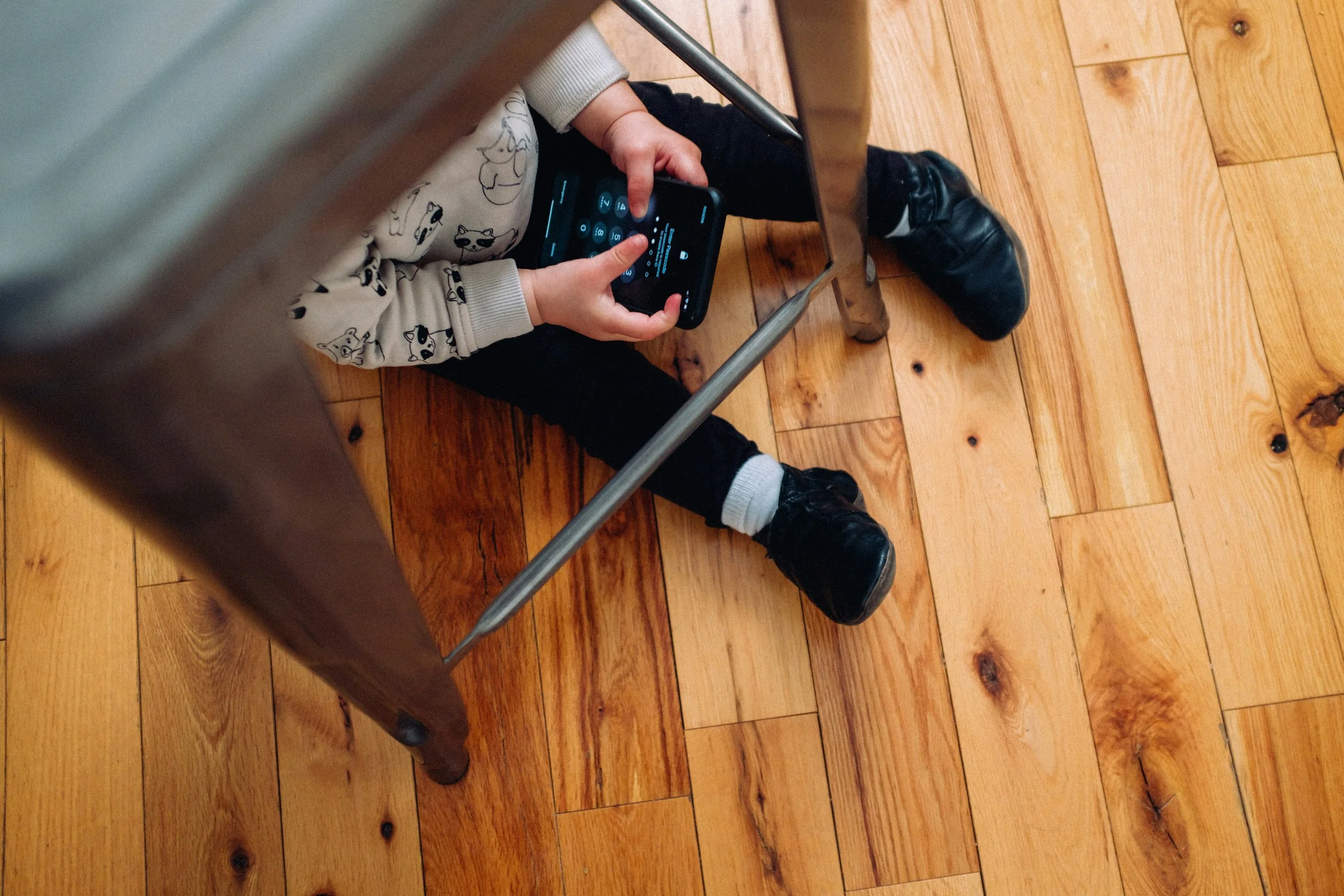
Photo by charlesdeluvio on Unsplash
Pre-school through first grade chores:
Clean up toys: Kids should be taught that toys are a privilege not a right. In order to keep using their toys, they need to be put away. Have baskets or shelves labeled for certain types of toys. For example, you can have a stuffed animal hamper, a book shelf, and a doll or action figure chest. Even if the kids can’t read yet they will learn to classify the toys by category and put them away accordingly. Cleaning should be a daily routine
Set the table: When the children are too young to be trusted carrying breakables, they can still set out silverware and napkins. Teach them the right way to set a table, where the forks knives and spoons go and why. After a week, they’ll remember every time.
Clear the table: Let each child be responsible for clearing their own utensils from the plate. Young children are no exception. If they can’t be trusted with breakables, at least have them carry their plastic cups and their silverware to the sink.
Dust the furniture: They can’t reach the top of the china cabinet, but they can reach the TV, the coffee table and even furniture in their own room such as desks and bed side tables.
Laundry: Even if they are too small to reach the inside of the washing machine, they can empty the hamper and carry their own dirty clothes into the laundry room so you won’t have to go get them.
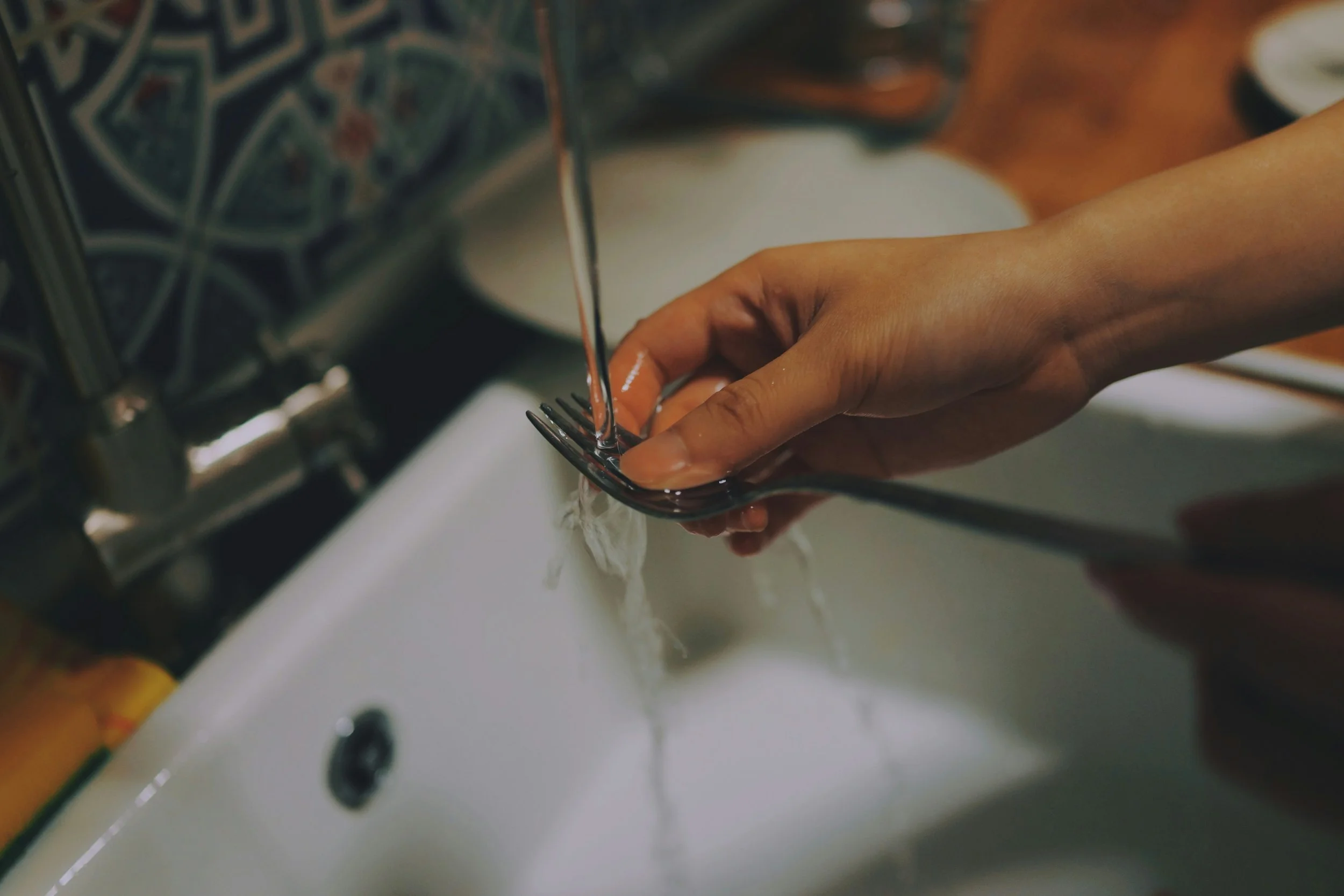
Second through fourth graders:
Groceries: By now kids in this age group are able to do the above listed chores and you can add on some new ones. They should be strong enough to help you carry in grocery bags from the car and help put them away.
Laundry: Not only have they been learning for years to carry their own clothes into the laundry room, now they can also learn to fold them and put them away in the right drawers.
Garbage: Trash is too heavy for very young kids to manage, but by the time they have reached this age group, they should be able to muster enough strength to take out the day’s trash. Also, they can now be trusted to go outside alone.
Take care of the family pet: Chances are, that puppy wasn’t your Christmas present so you shouldn’t be doing all of the work. Show your child how to measure a pet’s food and water. Don’t trust them with administering medications, however. That is a job for parents.
Wash windows and mirrors: They can probably reach at least most of the mirrors in the house by now. Teach them the right way to handle household chemicals and let them wash away.
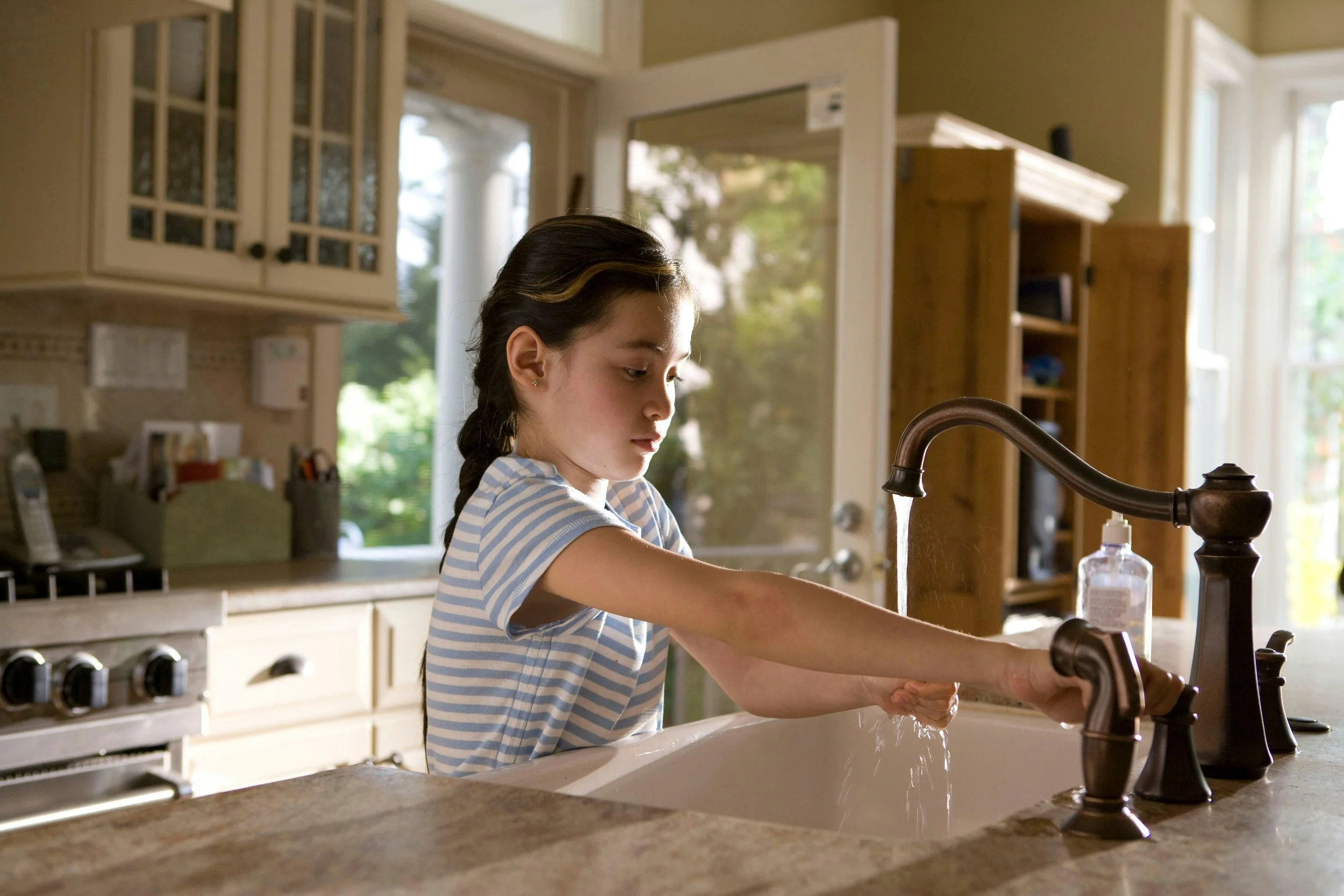
Fifth Graders and up:
Take the pet for a walk: They are old enough to go outside unsupervised by this age. Make sure you go over proper safety before they leave the house.
Laundry: It is time for kids of this age to learn how to do laundry from start to finish; teach them how to sort clothes, load the machine, and put away.
Dishwasher: They should be tall enough now to reach into most kitchen cabinets, so have them load and unload the dishwasher daily.
Vacuum: They should be able to handle even a heavy vacuum or one with lots of attachments by this age.
Yard work: While you don’t want your ten year old doing back breaking labor, they can still help rake leaves or mow the grass.
Chores and responsibilities are an important part of life and they give children confidence as they discover what they are capable of. They develop pride in themselves and an improved self esteem. Obviously this doesn’t mean they have to make you cups of tea all day! But a little shared help around the house is good for everyone.