Farm-to-Table Entertaining: Creating a Rustic Dinner Party Your Family Will Love
/There's something magical about gathering around a long wooden table under string lights, passing fresh food family-style, and watching the conversation flow as easily as the wine. Yet hosting a rustic dinner party at home often feels intimidating. You wonder if your backyard is big enough, if you can keep everyone comfortable, and whether the logistics of setting up seating, lighting, and serving areas will derail the whole evening. The truth is that farm-to-table entertaining at home is far more achievable than most people think, especially when you focus on a few key elements that create both comfort and atmosphere.
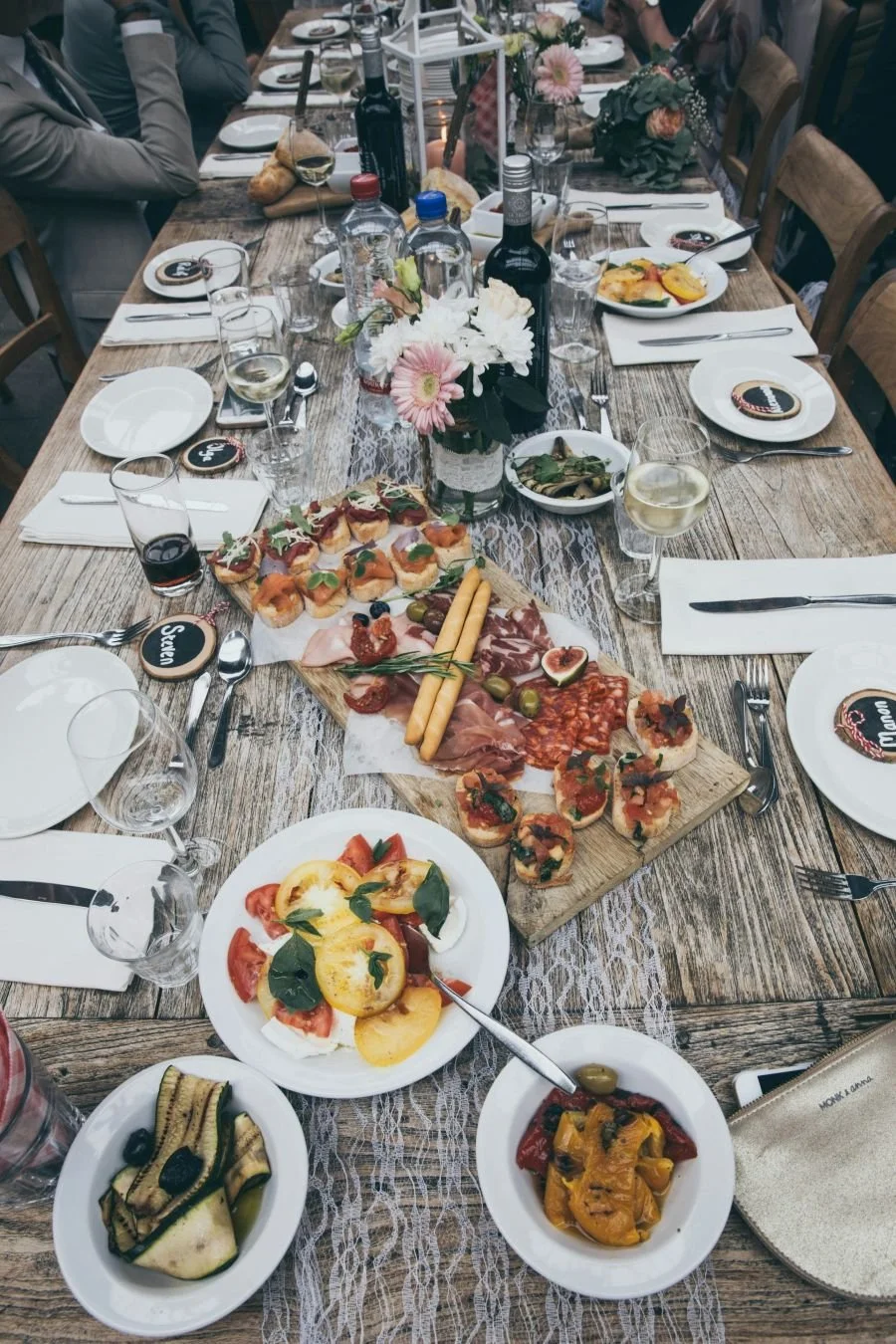
credit: unsplash.
Key Takeaways
Rustic dinner parties succeed when you prioritize guest comfort through proper seating, lighting, and weather protection.
The right table setup and tableware set the tone for the entire meal and determine how easily food can be served.
Ambient lighting and simple décor create an upscale atmosphere without requiring professional decoration or expensive rentals.
Planning the layout and logistics in advance prevents last-minute scrambling and lets you enjoy your own gathering.
Why It Matters
Family entertaining has shifted over the past decade. Instead of formal sit-down dinners in rigid settings, many of us now want gatherings that feel warm, accessible, and connected to good food and good people. A farm-to-table dinner party captures that feeling. It's approachable (no white-glove service required), it celebrates seasonal ingredients, and it encourages people to linger and talk.
But the casual look of a rustic gathering masks real planning work. When you're hosting in your backyard or on your patio, every detail that might be invisible in a restaurant suddenly becomes your responsibility: shade on hot days, heat on cool evenings, proper seating that doesn't cause back pain, serving areas that keep food safe, and lighting that works as the sun sets. Overlooking these logistics doesn't just create discomfort; it can pull you away from the table and your guests, turning hosting into a stressful chore.
Getting the setup right means you can actually enjoy your own party. That's worth the planning.
Start with the Foundation: Table and Seating
The table itself is the centerpiece of a farm-to-table dinner. A long wooden table with a rustic finish instantly creates the aesthetic you're going for, but more importantly, it sets the functional stage for how the meal will flow. Family-style service works best on a generous table where platters can be easily passed and wine glasses have space to breathe. If your dining room table is too small or your yard doesn't have a permanent structure, farm tables designed for outdoor entertaining give you flexibility in size and style while maintaining the rustic aesthetic.
When selecting seating, comfort is non-negotiable. Guests sitting on uncomfortable chairs for two hours will cut the evening short. Look for chairs with backs and cushions, not benches or backless stools. Count your guests, then add one or two extra seats for last-minute additions or for shifting people around if the conversation naturally gravitates to one end of the table.
Consider the sightlines too. A long table works beautifully when everyone can see across it. If your group is smaller than 8 people, a round or square table might feel more intimate. If you're hosting 12 or more, a long rectangular setup encourages mingling and conversation flow.
Lighting and Weather Protection
Nothing ruins an outdoor dinner party faster than darkness at 7 p.m. or an unexpected rain shower. These aren't minor annoyances; they're show-stoppers.
For lighting, string lights overhead create the ambiance that defines farm-to-table entertaining. They don't need to be fancy, but they do need to be functional. Plan for enough light that people can see their food and read faces clearly. Solar-powered options work well for casual gatherings, but if you're investing in a larger party, wired string lights provide reliable brightness. Place them in lines running the length of the table or in a grid overhead; avoid a single point source that casts harsh shadows.
Weather protection deserves equal attention. A tent or canopy in neutral colors (white, cream, or soft gray) keeps sun and rain at bay without screaming "special event." Even a lightweight structure transforms your comfort level and extends the season when you can host outdoors. If permanent structures aren't an option, have a Plan B ready: a backup date, a move-inside contingency, or at least quality umbrellas positioned around the table.
Tableware and Linens That Ground the Look
Rustic farm-to-table entertaining doesn't mean mismatched plates or paper napkins. It means intentional choices that feel authentic rather than formal. Neutral-colored linens (white, cream, linen gray) in natural fabrics like linen or cotton work best. They should be large enough to drape generously and catch spills without looking oversized.
Dishes don't need to match perfectly, but they should coordinate. Cream or neutral ceramic plates read as more refined than white china, and wooden serving boards for bread or charcuterie reinforce the rustic theme. Glass drinkware should be clear and simple, not ornate. A water glass and wine glass per person is all you need.
Tablescape elements should support the meal, not compete with it. A simple runner down the center with fresh flowers (or herb cuttings from your garden) costs little and looks intentional. Avoid clutter. The food is the star.
The Serving Flow and Functional Layout
Family-style service means large platters and bowls move around the table rather than each person plating from a central station. This requires thinking through your serving areas and how food moves from kitchen to table to plates.
If possible, set up a side table near the main dining area where hot food stays warm and platters wait for their turn around the table. This keeps the table itself from becoming a cluttered buffer. Keep serving utensils simple and functional, not decorative. A clean line from kitchen to table (clear pathways, no tripping hazards) makes refilling and clearing smooth.
Clear plates as courses finish so the table doesn't pile up with empties. Assign one trusted person to manage this during the meal so you can stay seated and engaged.
A Concrete Example
Imagine a summer evening with 10 family members and close friends. You've set a 12-foot wooden table in your backyard, anchored by a lightweight tent overhead for shade and weather protection. Cream linen covers the table; glass vases with sunflowers mark the center. String lights are set to come on at dusk.
The meal starts with a cold appetizer and drinks at 6 p.m., when there's still natural light. By 7:30 p.m., as the main course arrives, the string lights glow softly and the air has cooled. Platters of roasted vegetables, fresh bread, and grilled chicken make their way around the table. Nobody gets up except to refill water or bring out dessert. By 9 p.m., the light is perfect for lingering without straining eyes, and the gathering feels unhurried.
This flow depends on those foundational logistics: proper seating that kept people comfortable for hours, lighting that improved as natural light faded, protection from sun that would have made sitting in the heat unbearable, and a serving system that kept food hot and the table clear. Without these, the same gathering would have felt chaotic by hour two.
Actionable Takeaways
Plan your table and seating first. Measure your space, decide on guest count, and select comfortable seating before booking anything else. The table anchors every other decision.
Install lighting well in advance. String lights look best when they're symmetrical and well-planned, not hastily strung the day of the event. Test them before the party.
Choose or rent weather protection. A tent or canopy changes your hosting confidence. Know your backup plan if weather shifts.
Keep tableware simple and coordinated. Rustic doesn't mean casual or sloppy. Intentional choices feel elevated without being formal.
Designate serving areas and clear pathways. Assign someone to manage table clearing so you can stay present with your guests.
Set a realistic timeline for the meal. Casual gatherings benefit from a longer arc, with natural breaks between courses. Plan for 2.5 to 3 hours.
Conclusion
Farm-to-table entertaining at home is a skill, not a gift some people have and others don't. The skill lies in thinking through the logistics: how people will sit, how they'll stay comfortable as the evening changes, how food will move to the table, and how the space will feel as light shifts. When these pieces work, the meal becomes effortless and memorable. You get to sit down, eat good food, and watch your family or friends relax into conversation. That's the whole point.
FAQ
How far in advance should I plan a farm-to-table dinner party?
Aim for at least two weeks for a gathering of 8 to 10 people, and three to four weeks if you're hosting 12 or more or need to arrange rentals or weather protection. This timeline gives you space to finalize the guest list, source any items you don't own, and plan your menu without rush. Last-minute entertaining is possible, but it usually costs more and generates stress.
What's the ideal guest count for a farm-to-table dinner?
Eight to 12 people works best for most backyard settings. This size allows for genuine conversation around the table and lets the host stay seated and engaged rather than constantly managing logistics. Larger gatherings (15+) require more serving infrastructure and coordination, while smaller gatherings (4 to 6) work beautifully but may not need as much in terms of setup and ambiance.
Do I need to rent a tent even if the forecast looks clear?
It depends on your comfort with risk and how much you value guest comfort during the actual event. A tent protects against unexpected weather and harsh sun, making guests more comfortable for longer. If you're hosting in the golden hour of late afternoon or early evening and weather is genuinely stable, you might skip it. For mid-day gatherings or evening events lasting more than two hours, overhead protection is worthwhile.
What's the best way to keep food warm when using family-style service?
Use a side table or buffet area to keep platters warm until they're needed at the table. Hot holding trays or warming boards work well for this. Only put one course on the table at a time; keep the next course staged and ready. This prevents food from cooling too quickly and keeps the table from becoming overcrowded.
Can a farm-to-table dinner party work in a small space?
Yes, but adjust your expectations slightly. A smaller yard or patio might accommodate a round table for 6 to 8 rather than a long rectangular setup. A smaller gathering can feel even more intimate. Focus on comfort, lighting, and simple elegant details rather than scale. The magic of the evening comes from the atmosphere and the quality of the food and company, not the size of the space.
What's the most important element for creating that farm-to-table feel?
The table itself and how food is served matter more than any single décor choice. A rustic wooden table with family-style serving, good lighting, and comfortable seating creates the farm-to-table feeling regardless of what's planted around it. Once you have those foundations, simple linens, fresh flowers, and candlelight add to the aesthetic without requiring fussy details.
This is a collaborative post.