How to Be More Involved in Your Child’s Education
/A practical guide for parents who want to support learning at home and school
Parents play a significant role in how children experience school, yet many feel unsure about where their involvement should begin. A child’s learning does not stop at the classroom door. What happens at home, in conversation, and through everyday encouragement shapes their confidence, curiosity, and long-term engagement with education.
Whether your child is just starting Reception or preparing for senior school, there are meaningful ways to support them without stepping on the toes of their teachers. Here are some of the most effective ways parents can stay close to their child’s school journey.
Start with genuine conversations
It is easy to ask, “How was school?” and receive a shrug in return. Try asking specific questions instead. What was the funniest moment today? Which subject made you think the hardest? Did anyone surprise you? These small openings invite children to share meaningfully, helping parents understand both the academic and social pieces of their day.
Get to know the school community
Building relationships with teachers, other parents, and support staff helps children feel that their home and school worlds are connected. Attending parents’ evenings, open mornings, and family events gives you a clearer picture of how your child is progressing. Preparatory schools that actively champion parent involvement, such as those following the traditions of British independent education, often run regular workshops, curriculum evenings, and family events designed to strengthen that partnership.
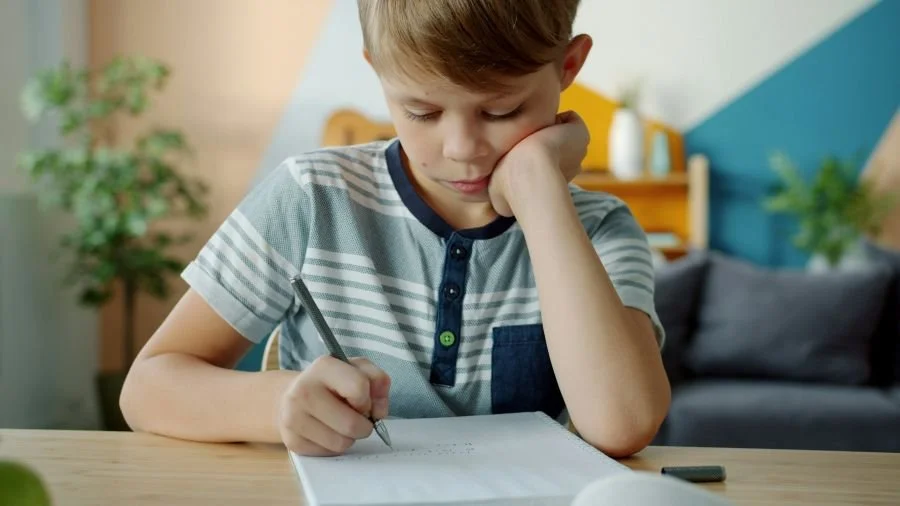
credit: unsplash.
Make learning part of home life
Children absorb far more through everyday habits than through formal study sessions. Reading together, cooking with measurements, planning a weekend outing using a map, or discussing a news story at dinner all feed into the same skills being taught at school. Keep it casual. Learning at home works best when it feels like play rather than revision.
Encourage independence alongside support
Being involved does not mean doing things for your child. It means giving them the tools and confidence to manage their own learning. Help them organise their school bag the night before. Let them email their teacher with a question rather than doing it for them. Over time, these small responsibilities build a sense of ownership over their education.
Celebrate effort, not just results
It is tempting to focus on grades and test scores, but praising effort encourages resilience. When children feel seen for the work they put in, they are more willing to tackle harder challenges. A quick “I noticed how much you practised that” goes further than “well done for coming top of the class.”
Know when to step back
There will be moments when your child needs space to figure things out on their own. Friendship disputes, lost homework, and tricky feedback from a teacher are all natural parts of growing up. Stepping back does not mean stepping away. Schools such as Rokeby School, a leading boys’ preparatory school in Kingston upon Thames, place strong emphasis on character development, and parents who support that ethos often find their child thrives socially as well as academically.
Work in partnership with the school
A strong home-school relationship rests on trust and communication. If you have concerns, speak to the class teacher early. If you have praise, share it. Most schools keep parents informed through newsletters, apps, and portals, so staying engaged with these channels makes a practical difference. For families exploring independent preparatory education in Surrey, more information is available at https://www.rokebyschool.co.uk/, where the school community is built around a close partnership between staff, parents, and pupils.
Being involved in your child’s education is less about grand gestures and more about consistent, caring interest. The smallest habits, such as asking the right questions, showing up, and listening well, build the foundations for a lifetime of curiosity and learning.
About the Author
Rokeby School is a leading boys’ preparatory school in Kingston upon Thames, Surrey, educating boys aged 4 to 13. Known for its warm, family atmosphere and strong academic tradition, Rokeby places parents at the heart of the school community and is committed to preparing every boy for the senior school that suits him best.